Cost to Fix Leaking Pipe: Factors, Methods, and Costs
Exploring the intricacies of fixing a leaking pipe, this introduction sets the stage for a comprehensive exploration of the topic. From the factors influencing costs to the common repair methods used, readers will gain valuable insights into the world of pipe repairs.
Factors Affecting the Cost to Fix a Leaking Pipe

When it comes to fixing a leaking pipe, several factors can influence the overall cost of the repair. Understanding these factors can help you anticipate potential expenses and make informed decisions regarding the necessary repairs.
Material of the Pipe
The material of the pipe plays a significant role in determining the cost of repair. For instance, copper pipes are generally more expensive to fix compared to PVC pipes due to the higher cost of materials and specialized labor required for copper pipe repairs.
Extent of Damage
The extent of damage to the leaking pipe can greatly impact the repair costs. A minor leak that can be easily patched up will cost less to fix compared to a major burst pipe that requires extensive repairs or even replacement.
Location of the Leak
The location of the leak also affects the cost of repair. Pipes located in hard-to-reach areas or behind walls may require additional labor and equipment to access, leading to higher repair costs.
Accessibility of the Pipe
The accessibility of the pipe plays a crucial role in determining the overall cost of repair. Pipes that are easily accessible can be fixed more quickly and with less effort, resulting in lower repair costs compared to pipes in hard-to-reach or cramped spaces.
Type of Repair Needed
The type of repair needed, whether it's a simple patch job, a full replacement, or a re-routing of the pipes, will also impact the cost. More complex repairs that require specialized skills or materials will naturally cost more.
Time Required for the Fix
The time required to fix the leaking pipe can affect the overall cost of repair. Emergency repairs that need to be done quickly, such as during a weekend or after hours, may incur additional charges for expedited service.
Common Methods and Techniques Used for Fixing Leaking Pipes

When it comes to fixing leaking pipes, there are several common methods and techniques that are often used by professionals. Each method has its own process, cost implications, and effectiveness in addressing the issue.Epoxy Pipe Lining:Epoxy pipe lining is a popular method used to repair leaking pipes.
This involves coating the interior of the pipe with an epoxy resin, creating a seamless barrier that prevents leaks. The process starts with cleaning and drying the pipe, followed by applying the epoxy coating. This method is known for its durability and can extend the lifespan of the pipe.
However, it can be costly due to the materials and labor involved.Pipe Relining:Pipe relining is another method used to fix leaking pipes without the need for excavation. This technique involves inserting a new liner into the existing pipe, creating a new pipe within the old one.
The liner is then cured in place, creating a strong and durable pipe. Pipe relining is less invasive compared to traditional excavation, resulting in lower labor costs. However, it may not be suitable for all types of pipes or damage.Traditional Excavation:Traditional excavation involves digging up the damaged pipe and replacing it with a new one.
While this method can be more disruptive and expensive, it is often necessary for severe pipe damage or when other repair methods are not feasible. Excavation allows for a complete replacement of the pipe, ensuring long-term durability. However, it can be time-consuming and may require restoration of the affected area.Overall, the choice of repair method for fixing a leaking pipe will depend on the extent of damage, the type of pipe, and the budget constraints.
It is essential to consult with a professional plumber to determine the most suitable and cost-effective solution for your specific situation.
Cost Breakdown

When it comes to fixing a leaking pipe, the cost breakdown typically includes both materials and labor expenses. Understanding the differences between these two components can help you better estimate the total cost of the repair.
Materials Costs
Materials used for pipe repairs can vary depending on the type of pipe, the extent of the damage, and the method of repair. Here are some common materials used for pipe repairs and their relative costs:
- PVC pipes: PVC pipes are a popular choice for repairs due to their affordability. A 10-foot length of PVC pipe can cost anywhere from $5 to $20.
- Copper pipes: Copper pipes are more expensive than PVC but are known for their durability. A 10-foot length of copper pipe can cost between $50 to $200.
- Pipe sealants and adhesives: These materials are used to seal leaks and joints. A tube of pipe sealant can range from $5 to $20.
- Pipe insulation: Insulating pipes can prevent future leaks and damage. Pipe insulation materials typically cost around $1 to $5 per linear foot.
Labor Costs
Labor costs for fixing a leaking pipe can vary depending on several factors, including hourly rates, complexity of the repair, and additional services provided. Plumbers typically charge an hourly rate that can range from $50 to $150 per hour. Factors that can affect labor costs include:
- Extent of the damage: The more extensive the damage, the longer it will take to repair, leading to higher labor costs.
- Accessibility: Pipes that are difficult to access may require more time and effort to repair, increasing labor costs.
- Emergency repairs: If the leak requires immediate attention outside of regular business hours, emergency service fees may apply, resulting in higher labor costs.
DIY vs. Professional Repair
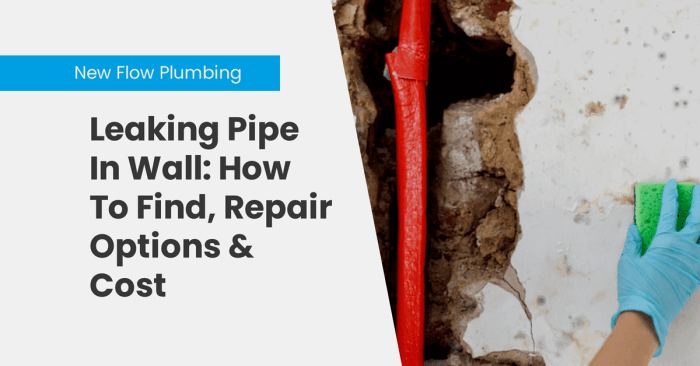
When it comes to fixing a leaking pipe, homeowners often face the decision of whether to tackle the repair themselves or hire a professional plumber. This choice can have significant cost implications, as well as impact the overall effectiveness of the repair.
Cost Implications of DIY vs. Professional Repair
- DIY Repair:
- Cost of materials: When opting for a do-it-yourself approach, homeowners will need to purchase the necessary materials and tools to fix the leaking pipe. While this initial cost may seem lower than hiring a professional, it's essential to consider the quality of materials and potential additional expenses if the repair is not done correctly.
- Time and effort: DIY repairs require time and effort on the part of the homeowner. This can be a significant factor to consider, especially for individuals with busy schedules or limited plumbing experience.
- Risk of mistakes: Without proper knowledge and skills, DIY repairs can lead to mistakes that may worsen the issue, resulting in more extensive damage and higher repair costs in the long run.
- Professional Repair:
- Expertise and experience: Professional plumbers have the necessary expertise and experience to quickly and efficiently repair leaking pipes. While the upfront cost may be higher than a DIY approach, the quality of workmanship and assurance of a proper fix can save money in the long term.
- Guarantees and warranties: Hiring a professional plumber often comes with guarantees and warranties on the work performed. This can provide peace of mind to homeowners, knowing that they are covered in case of any issues post-repair.
- Time-saving: Professionals can complete the repair in a fraction of the time it would take for a homeowner to do it themselves. This factor is especially crucial for urgent or complex plumbing problems.
Summary

In conclusion, the journey through the costs of fixing a leaking pipe has shed light on important considerations. From material vs. labor breakdowns to DIY vs. professional repairs, understanding these aspects can help individuals make informed decisions when faced with pipe leaks.
Helpful Answers
What factors can influence the cost of fixing a leaking pipe?
Factors such as the material of the pipe, extent of damage, and location of the leak can impact repair costs.
What are some common repair methods used for fixing leaking pipes?
Common methods include epoxy pipe lining, pipe relining, and traditional excavation.
How can one differentiate between material and labor costs in fixing a leaking pipe?
Materials costs vary based on the type of material used, while labor costs depend on factors like hourly rates and repair complexity.
Is DIY pipe repair more cost-effective than hiring a professional?
While DIY may save money upfront, hiring a professional can be more cost-effective in the long run, especially for complex repairs.